Cooleaf is constantly evolving. We are learning everyday from customers. I truly believe in that as part of survival. I also believe there should be fundamental principles at your core as a company that guide you. These principles can be difficult to learn and I think we are just now starting to really understand them. I think you really don’t know what you stand for until you have stood for a little while. Because then you get tested, rejected, and ignored. That’s when you really see what you believe in.
Here is our story at Cooleaf to finding our core.
The initial product launch for Cooleaf was a web app. that allowed consumers to pick and choose fitness classes from health clubs and studios without having to be a member of the gym. Our idea was to give people more flexibility, get a discount, and earn rewards for signing up for healthy classes. We got some traction but it wasn’t sustainable.
We found that what we thought was our target market, active people who liked getting fit, actually didn’t really need our product because they already felt good about the gym or studio they were in. They were fine with their current routine. We weren’t solving a critical problem for them. There was also a segment of the market that did like trying new things and not being locked down into a membership but at the same time they were getting e-mails from Groupon and Living Social with deep discounts that we couldn’t offer.
We started evolving into the corporate space by allowing the HR Director for example to offer all their employees a corporate discount to the Cooleaf partner network based on a corporate rate we negotiated with health clubs and studios. We started to get more traction because the communication was going through a trusted source, being the company a person works for. We found this as a much more efficient marketing strategy for acquiring new users to our platform. However, it still didn’t change the fact that we were not solving a problem for people.
Around the same time as we were starting to work with employers for distributing the ‘corporate perk’ we called it, or employee discounts, we started organizing group events open to anyone to join. The first one we did was a  kickboxing class at Atlanta Kick back in April of 2012. We promoted the event to our user base where we charged $5 for the class and then set up a happy hour afterwards. We figured we might as well have fun with this. People started showing up and bringing their friends. I remember thinking, ‘where did these people come from?’. It was a cool feeling to see people showing up to our event and having a good time.
We found that doing things as a group made more sense for people to try something new. Even if the class wasn’t great, at least they were with friends to have a good time. It became more about having a fun or good experience as opposed to just a fitness session. We got feedback that people liked the idea of being able to meet others who also shared their passion.
As we continued with the group events, we started testing the idea of setting up group events that are private to the employees of a company. This meant for example, bringing in a chef to do a cooking demo at a company’s office, onsite yoga classes, or taking groups of employees to rock climbing outings. We found that employees loved it and employers were willing to pay for it. Based on the traction we were getting, we started focusing on offering awesome group experiences for employees at our employer clients.
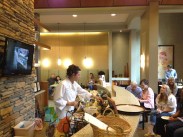
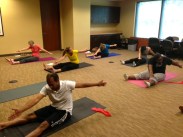
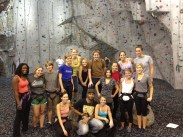
Typically the conversation with an employer client would start around offering a wellness program that their employees would actually want to participate in because it was based on fun activities that employees gave feedback on that they wanted to do. We would also get feedback from company leaders that they would use our program as part of their new employee onboarding process to get new hires introduced into the organization and start meeting others. The idea of organizing awesome group outings become much more about team building and making the company a better place to work rather than trying to improve the health of employees. People getting healthy was more of a byproduct of what we did.
We believe the best way to have a strong, innovative culture for a company is by creating an environment that fosters employees to have authentic relationships with one another. We help make this happen for a company by organizing fun group activities that allow employees to connect with other employees based on common interest and having fun.
By no means do we have it all figured out. We’re not even close. We are still constantly evolving how we position ourselves and what we can offer to maximize the value to a customer based on understanding and solving their problems. From all of this customer discovery and self discovery, we have come to put a stake in the ground on the following core guiding principles.
- Enabling people to connect with others through fun, active experiences resulting in authentic relationships based on common interests, goals, and affiliations.
- Creating more fun, collaborative, authentic, and positive cultures in organizations through engaging experiences for people.
 Startup Lessons Learned